Myanmar Map
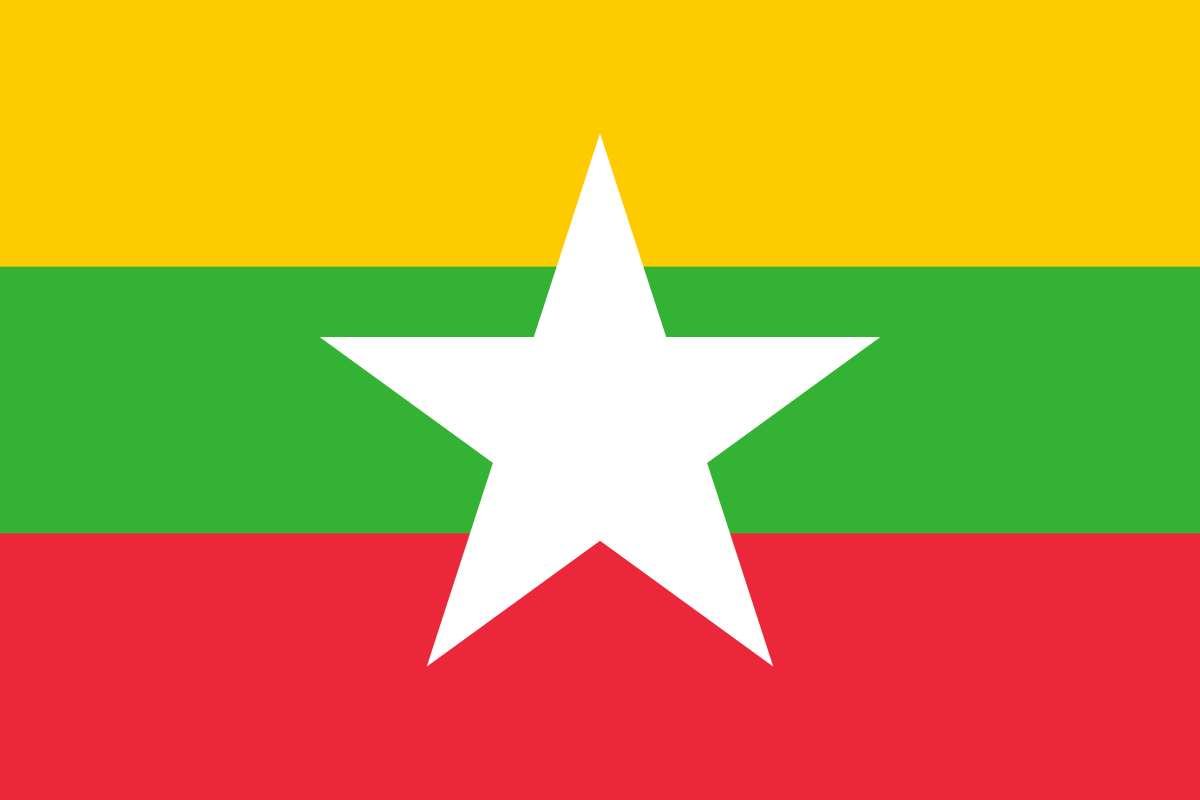
Capital: Naypyidaw
Population: 54,850,648
Area: 676,578 km²
Currency: MMK
Languages: Burmese
Religions: Buddhism
Time zone: UTC+6:30
About Myanmar
Myanmar, also known as Burma, is located in Southeast Asia, bordered by Bangladesh and India to the west, China to the north and northeast, Laos to the east, and Thailand to the southeast, with extensive coastlines along the Bay of Bengal and Andaman Sea. Covering approximately 676,578 square kilometers, Myanmar is the largest country in mainland Southeast Asia with a population of over 54 million people. The nation serves as a cultural and geographical bridge between South Asia and Southeast Asia.
Myanmar has a rich history spanning over two millennia, with ancient kingdoms like Bagan leaving behind thousands of Buddhist temples and pagodas. The country was under British colonial rule from the 19th century until gaining independence in 1948. Burmese is the official language, and Theravada Buddhism is practiced by approximately 88% of the population, deeply influencing art, architecture, and daily life. Myanmar is ethnically diverse with over 135 recognized ethnic groups, each with distinct languages and traditions, including the Bamar, Shan, Karen, and Rakhine peoples.
Myanmar's geography is remarkably varied, featuring the Irrawaddy River system that flows through the heart of the country, the fertile central plains, and mountain ranges including the Arakan Mountains in the west and the Shan Plateau in the east. The country experiences a tropical monsoon climate with distinct wet and dry seasons. Notable features include the pristine beaches of Ngapali, the ancient temple plains of Bagan with over 2,000 pagodas, Inle Lake with its floating gardens, and diverse ecosystems ranging from tropical rainforests to alpine regions.
Myanmar's economy is based on agriculture, natural resources including jade, gems, oil, and natural gas, as well as growing manufacturing and tourism sectors. Rice cultivation is central to the economy, with Myanmar historically being a major rice exporter. Naypyidaw is the purpose-built capital established in 2006, while Yangon (formerly Rangoon) remains the largest city and commercial center with its iconic Shwedagon Pagoda. Other significant cities include Mandalay (the cultural heart), Bago, and Mawlamyine, each playing important roles in Myanmar's developing economy.
Major Cities
- Yangon - The largest city with 5.2 million people, Myanmar's commercial capital and major port city home to the golden Shwedagon Pagoda
- Mandalay - The cultural capital with 1.4 million people, located on the Irrawaddy River and center of Burmese arts, crafts, and Buddhism
- Naypyidaw - The administrative capital since 2006 with about 1.2 million people, a purpose-built city in central Myanmar
- Mawlamyine - Southern Myanmar's major city with 500,000 people, the fourth-largest city and an important port on the Thanlwin River
- Bago - Historic city with 255,000 people, located near Yangon and known for the massive reclining Shwethalyaung Buddha
Interesting Facts
- Myanmar is home to over 2,000 ancient Buddhist temples and pagodas in Bagan, one of Asia's most spectacular archaeological sites
- The country has 135 officially recognized ethnic groups, making it one of the most ethnically diverse nations in Southeast Asia
- Myanmar is the world's largest exporter of teak wood and produces 90% of the world's rubies and significant amounts of jade
- The Shwedagon Pagoda in Yangon is covered with tons of gold leaf and topped with thousands of diamonds and precious stones
- Myanmar uses a unique UTC+6:30 time zone, making it one of only a few countries with a 30-minute time offset
- Inle Lake features unique floating gardens and the distinctive leg-rowing technique used by local fishermen, found nowhere else in the world